Reference
GHS hazard pictograms
The nine CLP/GHS hazard pictograms: what each one means, which hazard classes and H-statements trigger it, and when it shows up on candles, wax melts, reed diffusers and air sprays.
-
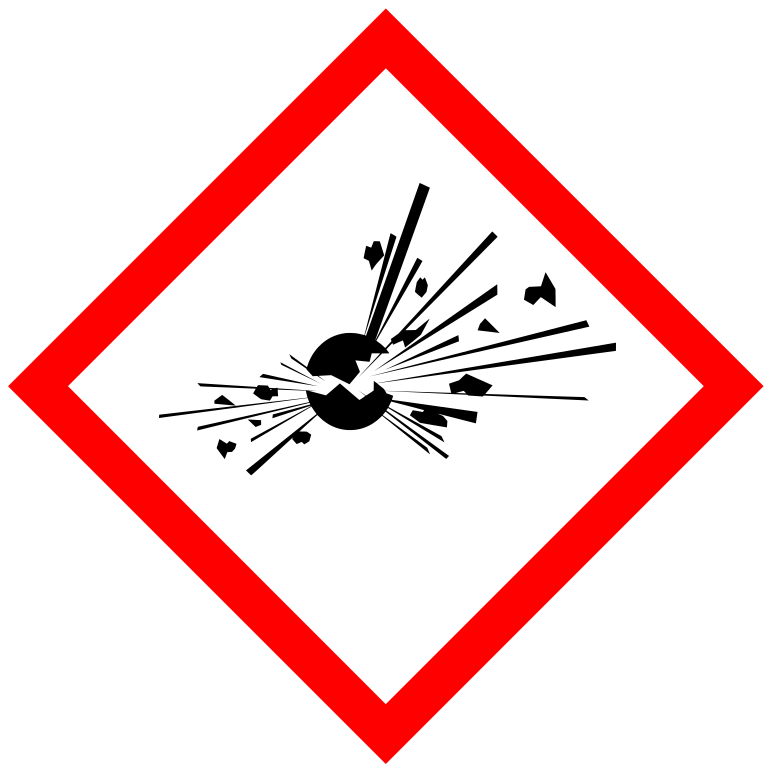 GHS01
Exploding bomb
Explosive
Danger
Warning
H200, H201, H202, H203, H204, H240, H241
-
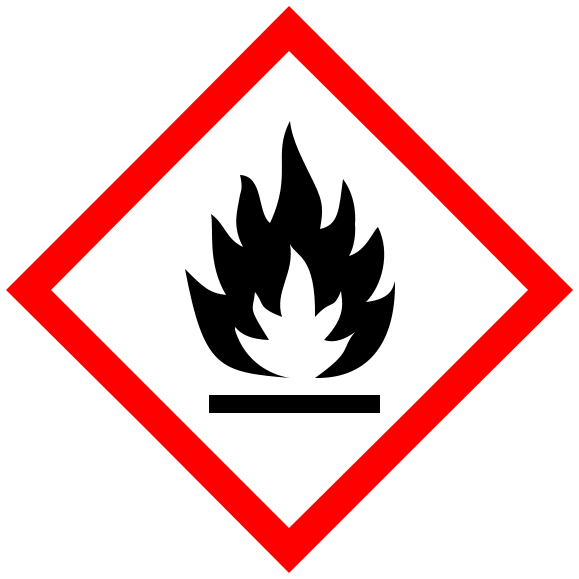 GHS02
Flame
Flammable
Danger
Warning
H220, H222, H223, H224, H225, H226, H228, H241, H242, H250, H251, H252, H260, H261
-
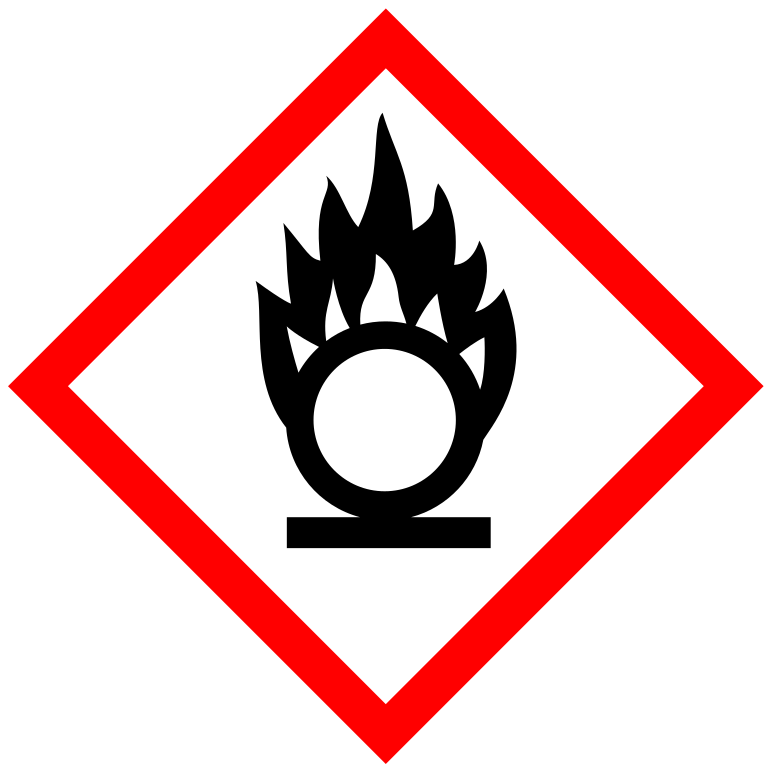 GHS03
Flame over circle
Oxidising
Danger
Warning
H270, H271, H272
-
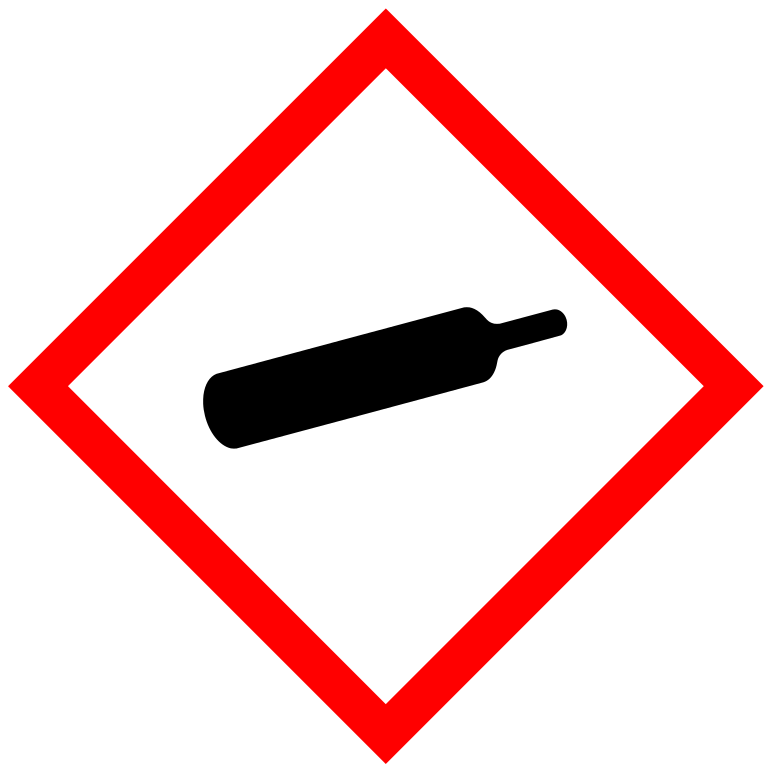 GHS04
Gas cylinder
Gas under pressure
Warning
H280, H281
-
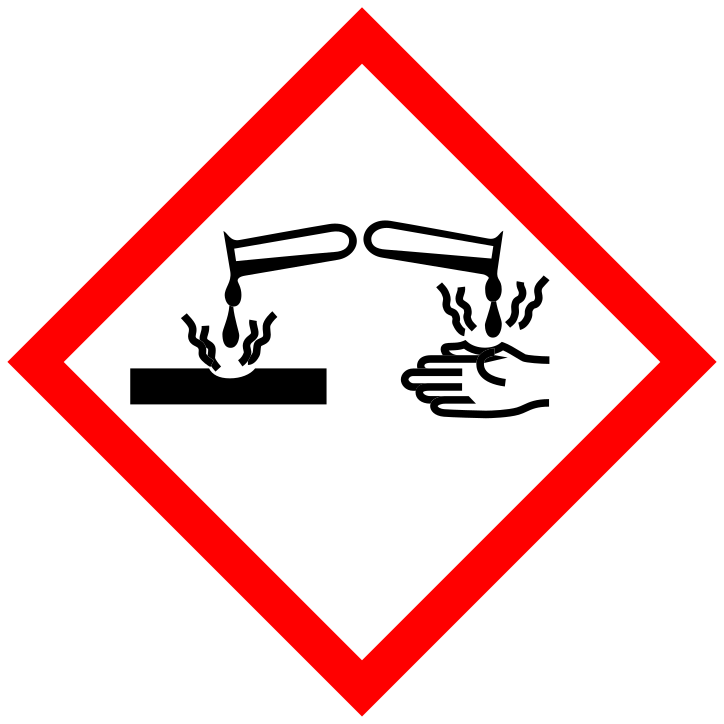 GHS05
Corrosion
Corrosive
Danger
Warning
H290, H314, H318
-
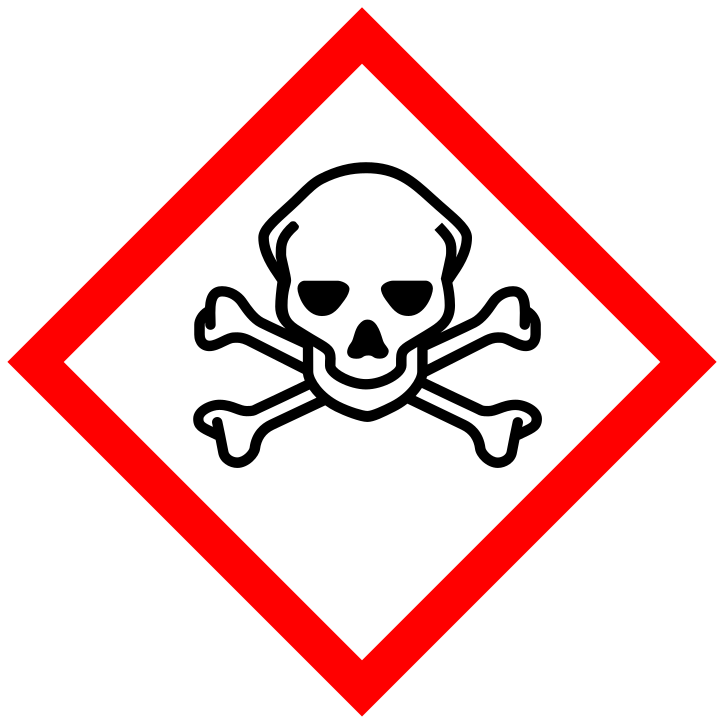 GHS06
Skull and crossbones
Acute toxicity (severe)
Danger
H300, H310, H330, H301, H311, H331
-
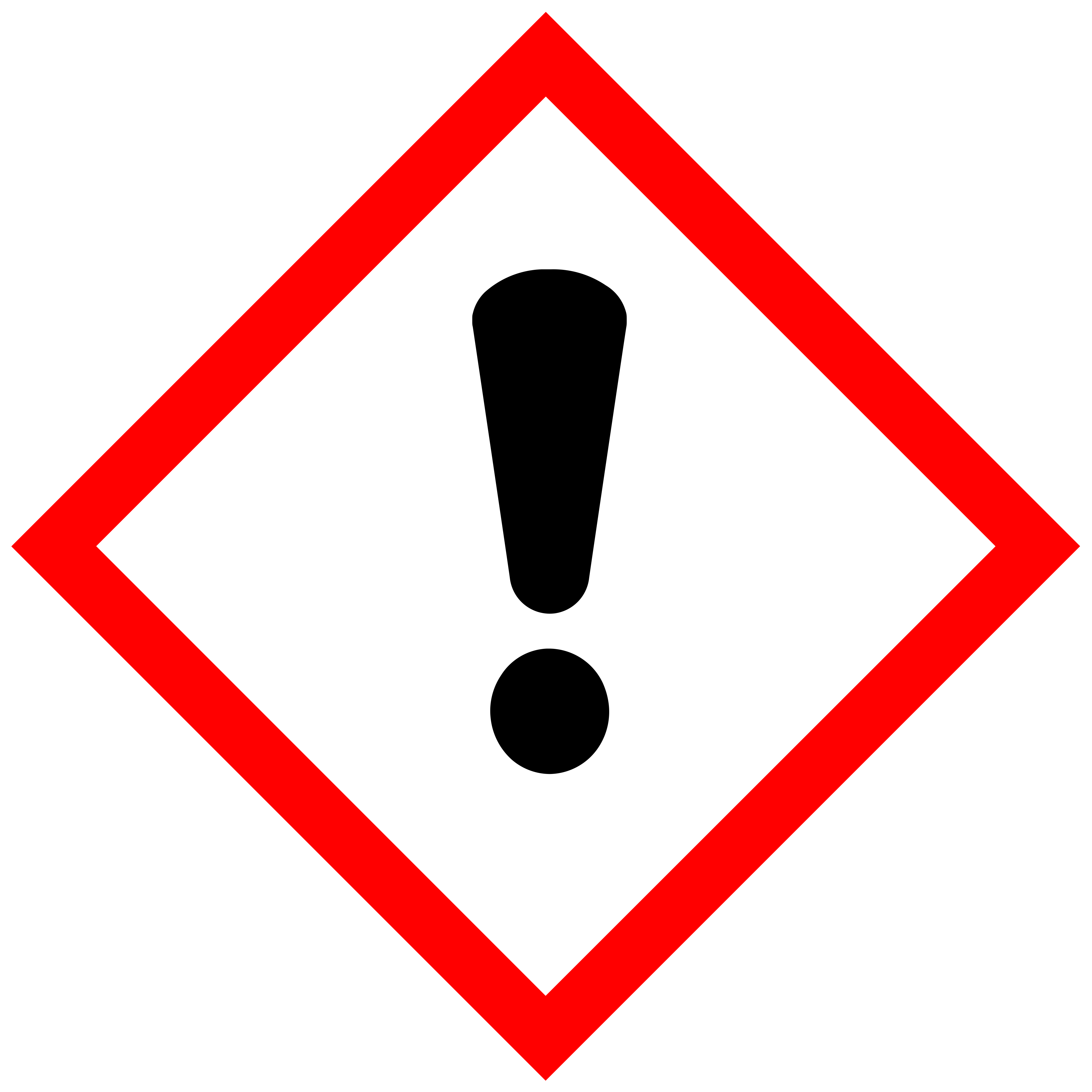 GHS07
Exclamation mark
Harmful / irritant
Warning
H302, H312, H332, H315, H319, H317, H335, H336
-
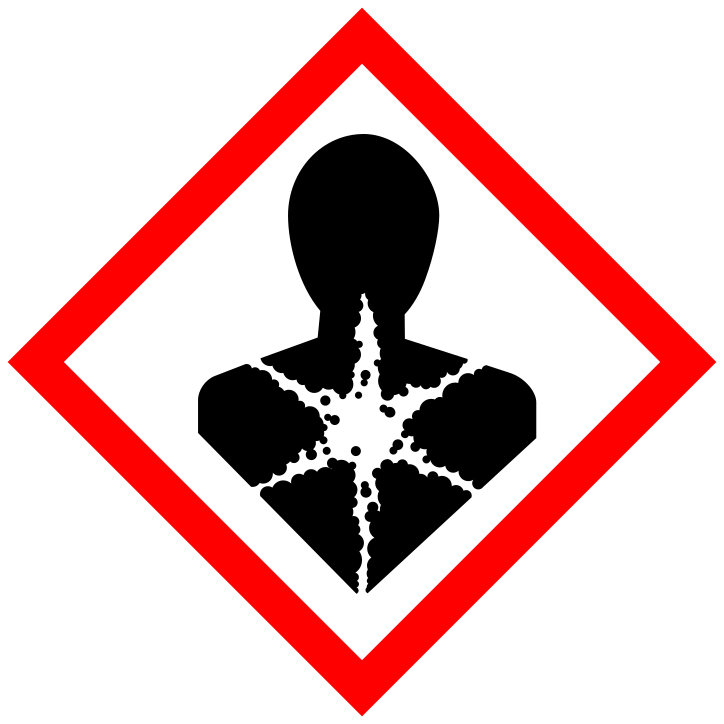 GHS08
Health hazard
Serious health hazard
Danger
Warning
H334, H340, H341, H350, H351, H360, H361, H370, H371, H372, H373, H304
-
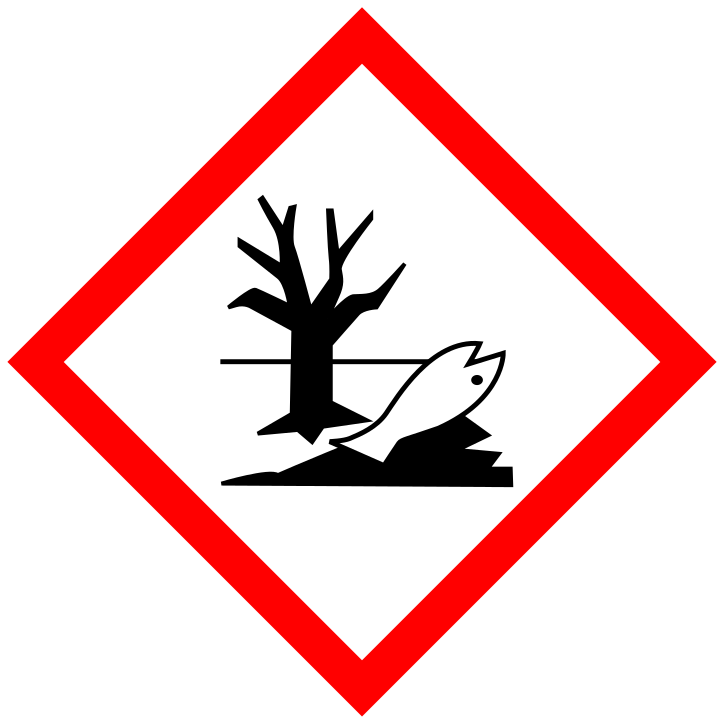 GHS09
Environment
Hazardous to the aquatic environment
Warning
H400, H410, H411
Precedence rules (CLP Article 26)
When a classification would put several pictograms on one label, Article 26(1) of the CLP Regulation removes some of them or makes them optional:
-
Art. 26(1)(a)
If the hazard pictogram ‘GHS01’ applies, the use of the hazard pictograms ‘GHS02’ and ‘GHS03’ shall be optional, except in cases where more than one of these hazard pictograms are compulsory.
-
Art. 26(1)(b)
If the hazard pictogram ‘GHS06’ applies, the hazard pictogram ‘GHS07’ shall not appear.
-
Art. 26(1)(c)
If the hazard pictogram ‘GHS05’ applies, the hazard pictogram ‘GHS07’ shall not appear for skin or eye irritation.
-
Art. 26(1)(d)
If the hazard pictogram ‘GHS08’ applies for respiratory sensitisation, the hazard pictogram ‘GHS07’ shall not appear for skin sensitisation or for skin and eye irritation.
-
Art. 26(1)(e)
If the hazard pictogram ‘GHS02’ or ‘GHS06’ applies, the use of the hazard pictogram ‘GHS04’ shall be optional.
About these pictograms
Every pictogram is a black symbol on a white background inside a red diamond. On a CLP label each pictogram must cover at least one fifteenth of the label’s minimum area, and never less than 1 cm².
The pictogram files are the public-domain GHS symbols traced from the UNECE originals: download and use them freely. The classification of your product, not the file, decides when a label must carry them.
General reference, not legal advice: your label follows your own product’s classification.