Nachschlagewerk
GHS-Gefahrenpiktogramme
Die neun CLP/GHS-Gefahrenpiktogramme: was jedes bedeutet, welche Gefahrenklassen und H-Sätze es auslösen und wann es auf Kerzen, Duftwachs, Raumduft-Diffusern und Raumsprays erscheint.
-
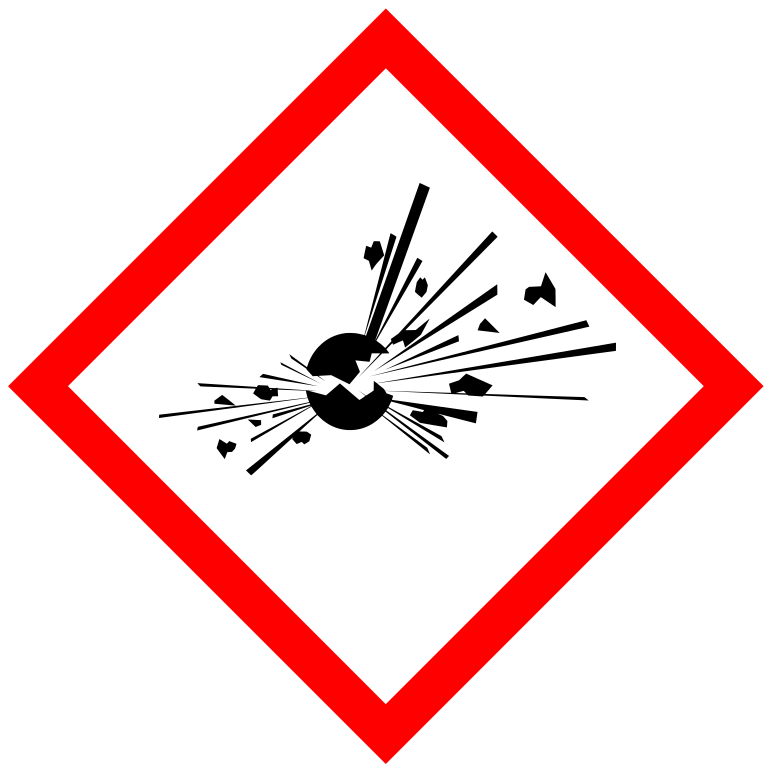 GHS01
Explodierende Bombe
Explosiv
Gefahr
Achtung
H200, H201, H202, H203, H204, H240, H241
-
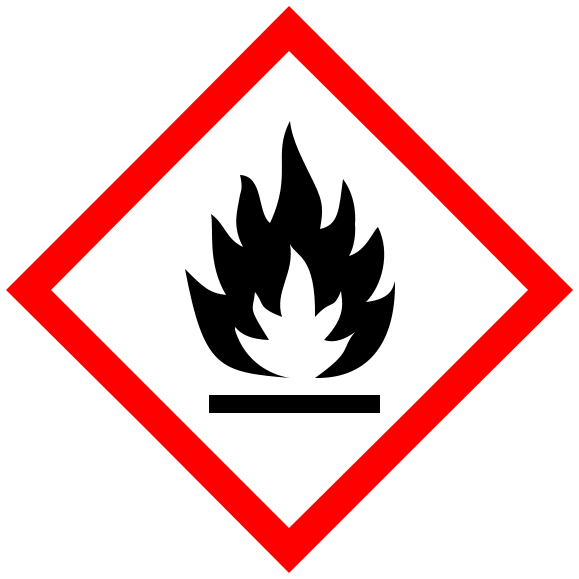 GHS02
Flamme
Entzündbar
Gefahr
Achtung
H220, H222, H223, H224, H225, H226, H228, H241, H242, H250, H251, H252, H260, H261
-
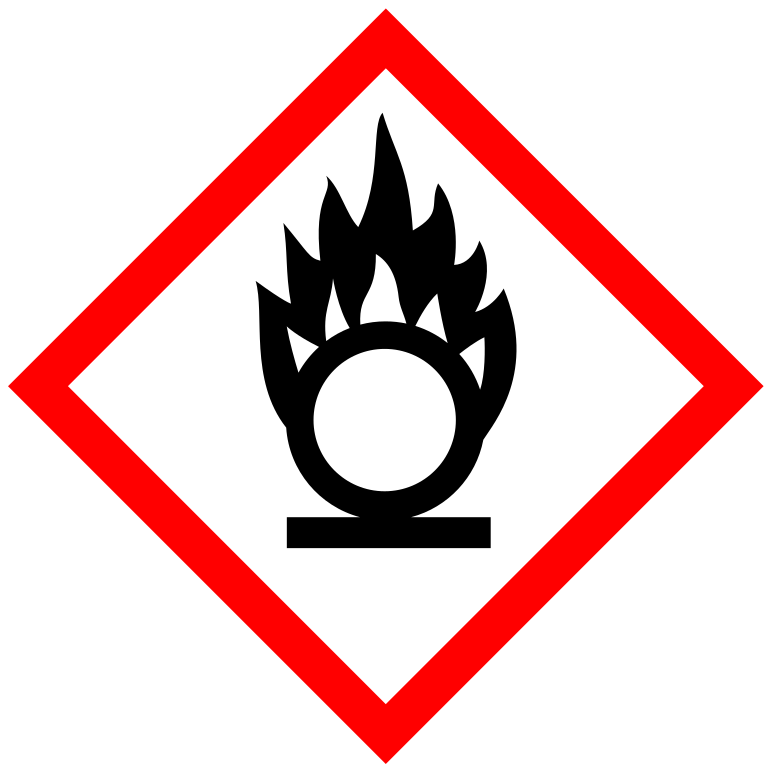 GHS03
Flamme über einem Kreis
Oxidierend
Gefahr
Achtung
H270, H271, H272
-
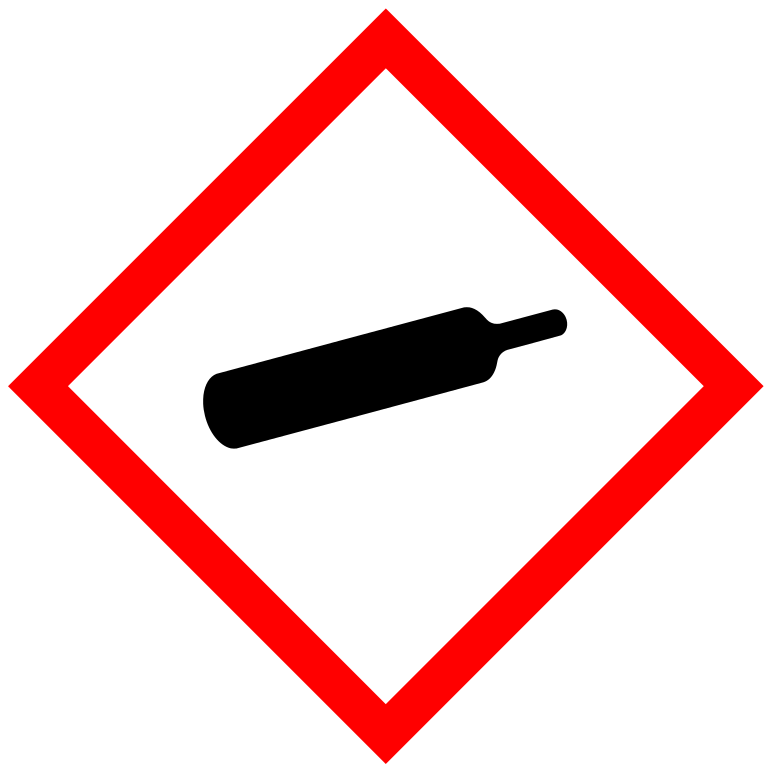 GHS04
Gasflasche
Gas unter Druck
Achtung
H280, H281
-
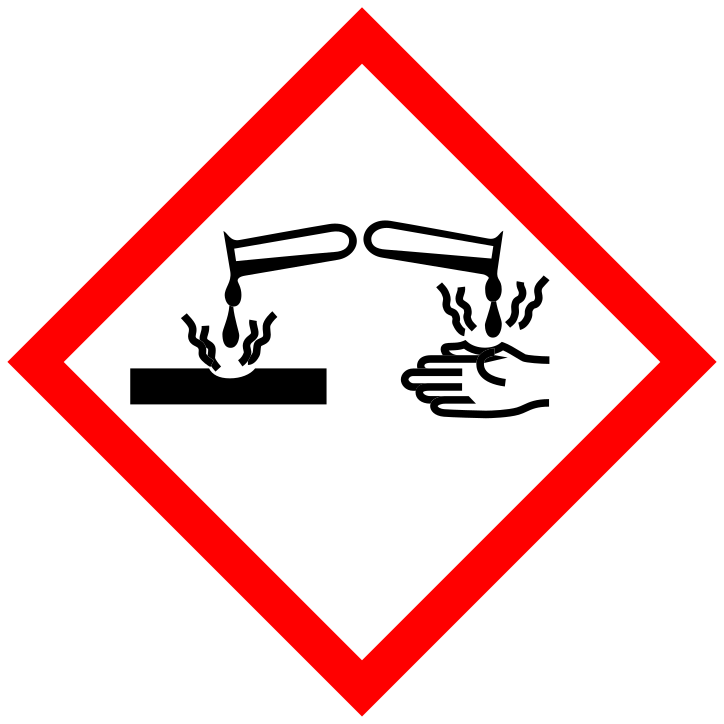 GHS05
Ätzwirkung
Ätzend
Gefahr
Achtung
H290, H314, H318
-
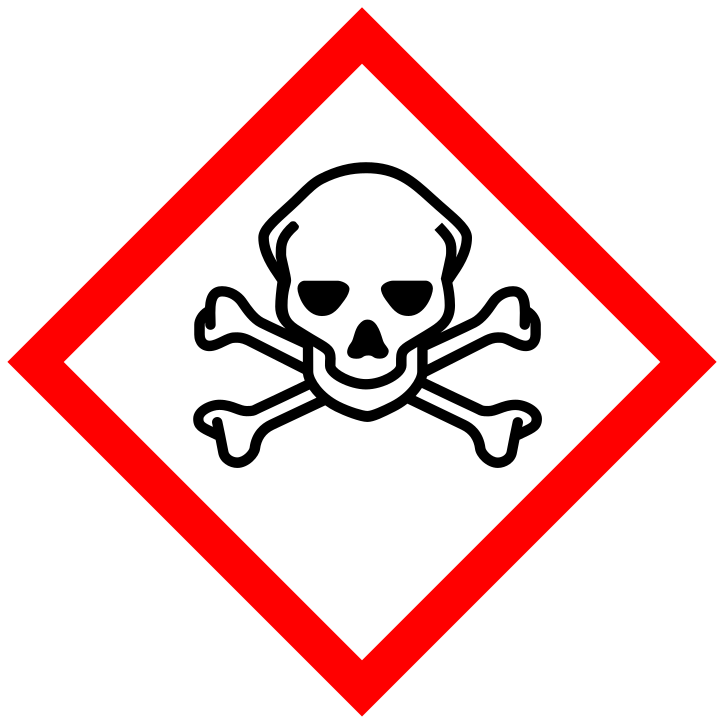 GHS06
Totenkopf mit gekreuzten Knochen
Akute Toxizität (schwer)
Gefahr
H300, H310, H330, H301, H311, H331
-
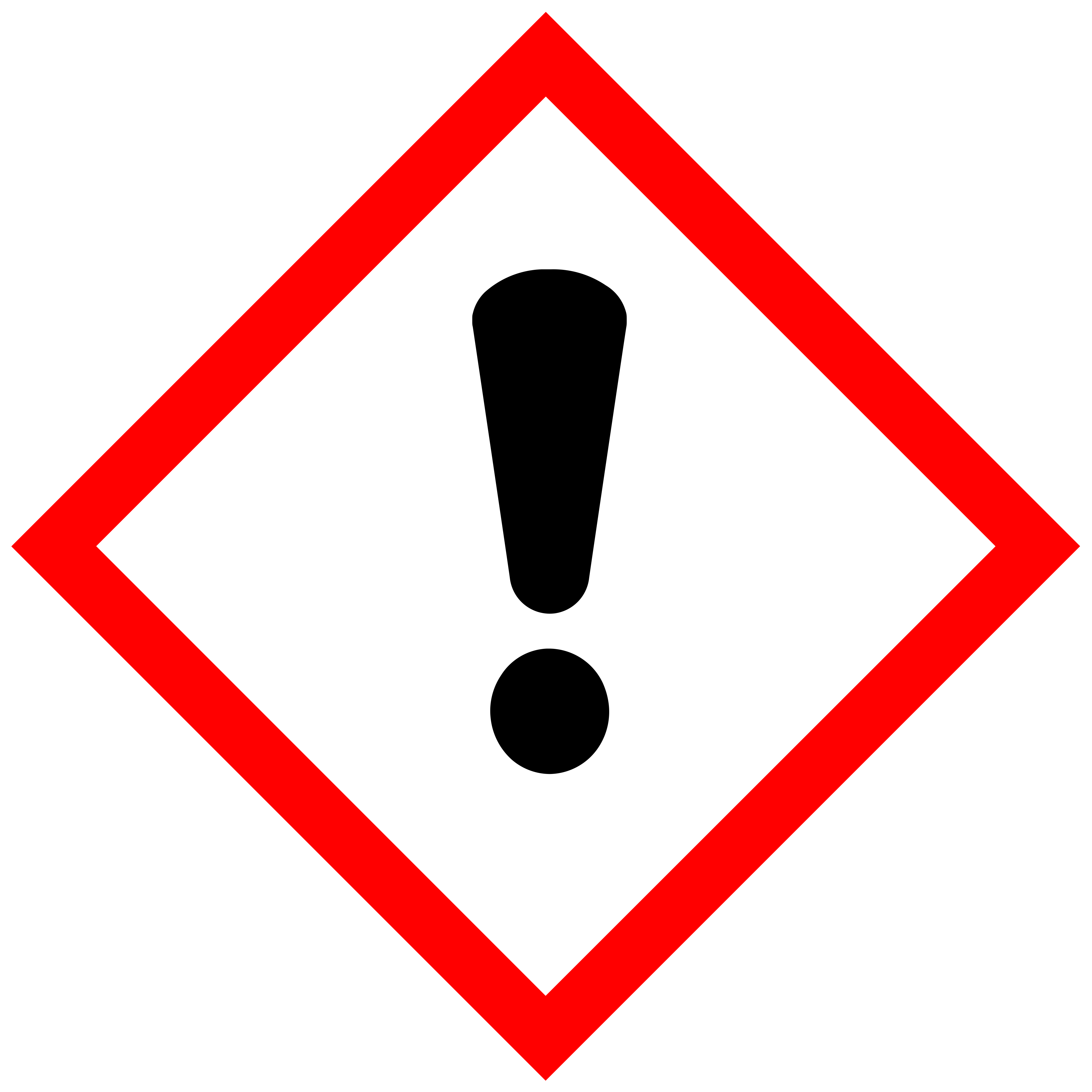 GHS07
Ausrufezeichen
Gesundheitsschädlich / reizend
Achtung
H302, H312, H332, H315, H319, H317, H335, H336
-
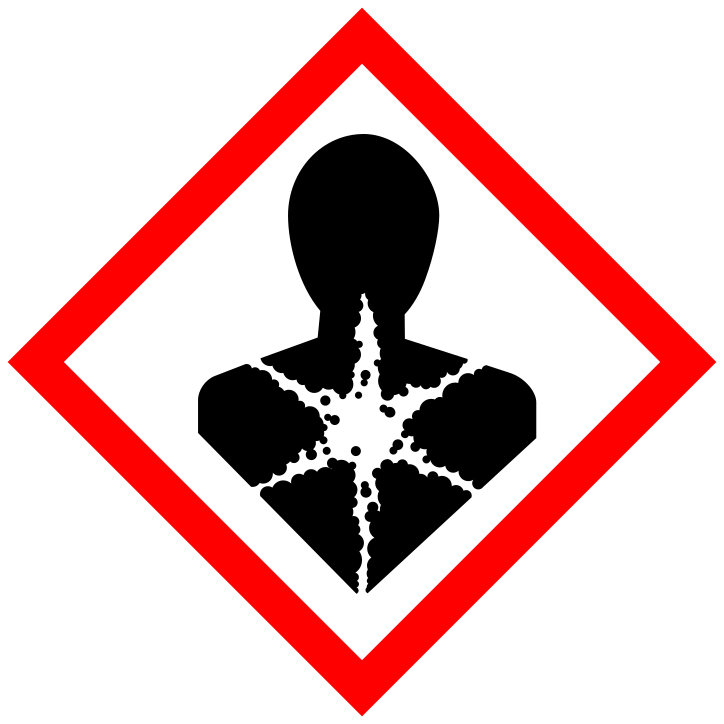 GHS08
Gesundheitsgefahr
Schwere Gesundheitsgefahr
Gefahr
Achtung
H334, H340, H341, H350, H351, H360, H361, H370, H371, H372, H373, H304
-
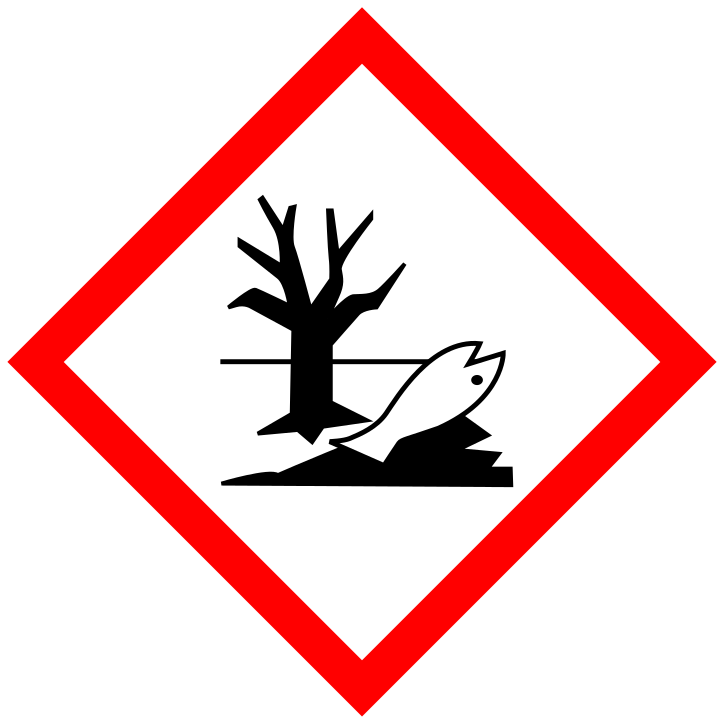 GHS09
Umwelt
Gewässergefährdend
Achtung
H400, H410, H411
Rangfolgeregeln (CLP Artikel 26)
Würde eine Einstufung mehrere Piktogramme auf ein Etikett bringen, entfallen nach Artikel 26 Absatz 1 der CLP-Verordnung einige davon oder werden freiwillig:
-
Art. 26(1)(a)
If the hazard pictogram ‘GHS01’ applies, the use of the hazard pictograms ‘GHS02’ and ‘GHS03’ shall be optional, except in cases where more than one of these hazard pictograms are compulsory.
-
Art. 26(1)(b)
If the hazard pictogram ‘GHS06’ applies, the hazard pictogram ‘GHS07’ shall not appear.
-
Art. 26(1)(c)
If the hazard pictogram ‘GHS05’ applies, the hazard pictogram ‘GHS07’ shall not appear for skin or eye irritation.
-
Art. 26(1)(d)
If the hazard pictogram ‘GHS08’ applies for respiratory sensitisation, the hazard pictogram ‘GHS07’ shall not appear for skin sensitisation or for skin and eye irritation.
-
Art. 26(1)(e)
If the hazard pictogram ‘GHS02’ or ‘GHS06’ applies, the use of the hazard pictogram ‘GHS04’ shall be optional.
Über diese Piktogramme
Jedes Piktogramm ist ein schwarzes Symbol auf weißem Grund in einer roten Raute. Auf einem CLP-Etikett muss jedes Piktogramm mindestens ein Fünfzehntel der Mindestfläche des Etiketts einnehmen, mindestens jedoch 1 cm².
Die Dateien sind die gemeinfreien GHS-Symbole, nachgezeichnet nach den UNECE-Originalen: Sie können sie frei herunterladen und verwenden. Wann ein Etikett sie tragen muss, entscheidet die Einstufung Ihres Produkts, nicht die Datei.
Allgemeine Information, keine Rechtsberatung: Ihr Etikett richtet sich nach der Einstufung Ihres eigenen Produkts.