- Code
- GHS02
- Symbool
- Vlam
- Gevaar
- Ontvlambaar
- Signaalwoord
- Gevaar Waarschuwing
Wat het betekent
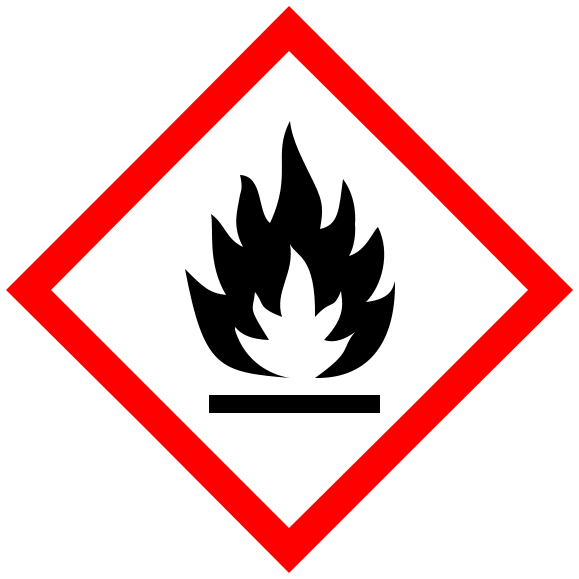
The flame marks flammable materials: gases, aerosols, liquids and solids that catch fire easily, plus pyrophoric, self-heating and water-reactive substances and some self-reactive substances and organic peroxides.
For liquids the category follows the flash point and boiling point: the lower the flash point, the more severe the category and the stronger the signal word.
Gevarenklassen die het activeren
Indeling in een van deze categorieën brengt GHS02 op het etiket, volgens de CLP-etiketteringselementen. Een categorie zonder signaalwoord draagt alleen het pictogram.
| Categorie | H | Gevarenaanduiding | Signaalwoord |
|---|---|---|---|
| Ontvlambare gassen | |||
| Flam. Gas 1 | H220 | Zeer licht ontvlambaar gas. | Gevaar |
| Aerosolen | |||
| Aerosol 1 | H222 | Zeer licht ontvlambare aerosol. | Gevaar |
| Aerosol 2 | H223 | Ontvlambare aerosol. | Waarschuwing |
| Ontvlambare vloeistoffen | |||
| Flam. Liq. 1 | H224 | Zeer licht ontvlambare vloeistof en damp. | Gevaar |
| Flam. Liq. 2 | H225 | Licht ontvlambare vloeistof en damp. | Gevaar |
| Flam. Liq. 3 | H226 | Ontvlambare vloeistof en damp. | Waarschuwing |
| Ontvlambare vaste stoffen | |||
| Flam. Sol. 1 | H228 | Ontvlambare vaste stof. | Gevaar |
| Flam. Sol. 2 | H228 | Ontvlambare vaste stof. | Waarschuwing |
| Zelfontledende stoffen en mengsels | |||
| Self-react. B | H241 | Brand- of ontploffingsgevaar bij verwarming. | Gevaar |
| Self-react. CD | H242 | Brandgevaar bij verwarming. | Gevaar |
| Self-react. EF | H242 | Brandgevaar bij verwarming. | Waarschuwing |
| Pyrofore vloeistoffen | |||
| Pyr. Liq. 1 | H250 | Vat spontaan vlam bij blootstelling aan lucht. | Gevaar |
| Pyrofore vaste stoffen | |||
| Pyr. Sol. 1 | H250 | Vat spontaan vlam bij blootstelling aan lucht. | Gevaar |
| Zelfverhittende stoffen en mengsels | |||
| Self-heat. 1 | H251 | Vatbaar voor zelfverhitting: kan vlam vatten. | Gevaar |
| Self-heat. 2 | H252 | In grote hoeveelheden vatbaar voor zelfverhitting; kan vlam vatten. | Waarschuwing |
| Stoffen en mengsels die in contact met water ontvlambare gassen ontwikkelen | |||
| Water-react. 1 | H260 | In contact met water komen ontvlambare gassen vrij die spontaan kunnen ontbranden. | Gevaar |
| Water-react. 2 | H261 | In contact met water komen ontvlambare gassen vrij. | Gevaar |
| Water-react. 3 | H261 | In contact met water komen ontvlambare gassen vrij. | Waarschuwing |
| Organische peroxiden | |||
| Org. Perox. B | H241 | Brand- of ontploffingsgevaar bij verwarming. | Gevaar |
| Org. Perox. CD | H242 | Brandgevaar bij verwarming. | Gevaar |
| Org. Perox. EF | H242 | Brandgevaar bij verwarming. | Waarschuwing |
Op kaarsen, wax melts, geurstokjes en luchtverfrissers
Reed diffusers and room sprays based on ethanol or isopropanol are usually Flam. Liq. 2 (H225) or 3 (H226), so they carry the flame. Air sprays in aerosol cans are classified as aerosols, Aerosol 1 (H222) or 2 (H223), and carry it too.
Many fragrance oils are Flam. Liq. 3 on their own SDS, but a finished candle or wax melt is a solid at a few percent fragrance load and does not normally carry GHS02.
Live etiketdemo’s: Kaarsen · Waxmelts & snap bars · Geurstokjes
Voorrangsregels voor dit pictogram
-
Art. 26(1)(a)
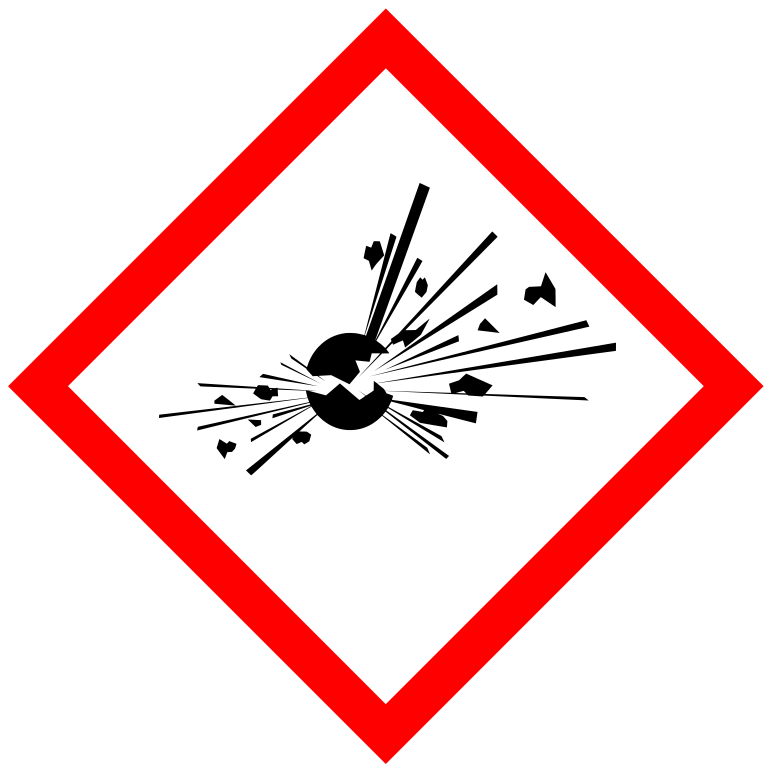
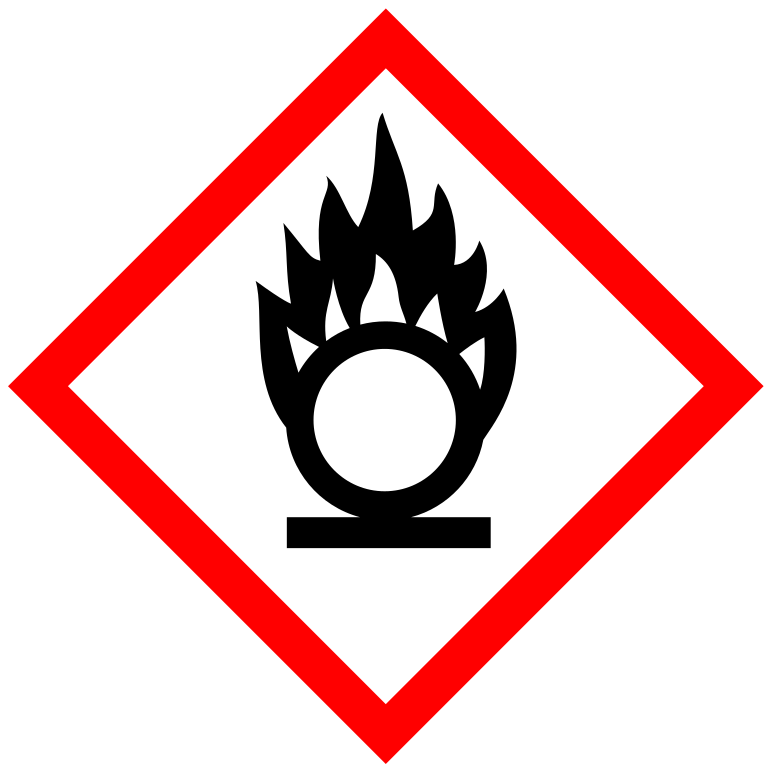
If the hazard pictogram ‘GHS01’ applies, the use of the hazard pictograms ‘GHS02’ and ‘GHS03’ shall be optional, except in cases where more than one of these hazard pictograms are compulsory.
-
Art. 26(1)(e)
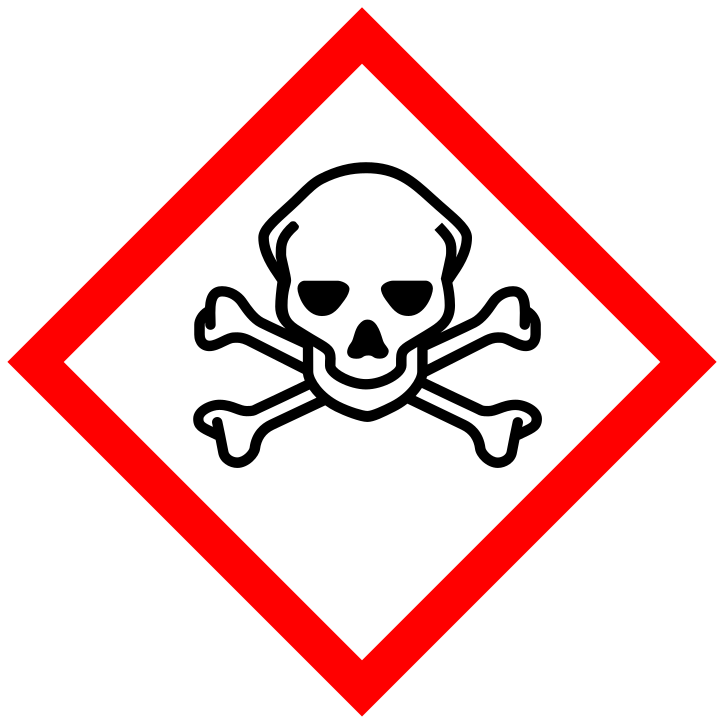
If the hazard pictogram ‘GHS02’ or ‘GHS06’ applies, the use of the hazard pictogram ‘GHS04’ shall be optional.
Algemene informatie, geen juridisch advies: uw etiket volgt de indeling van uw eigen product.