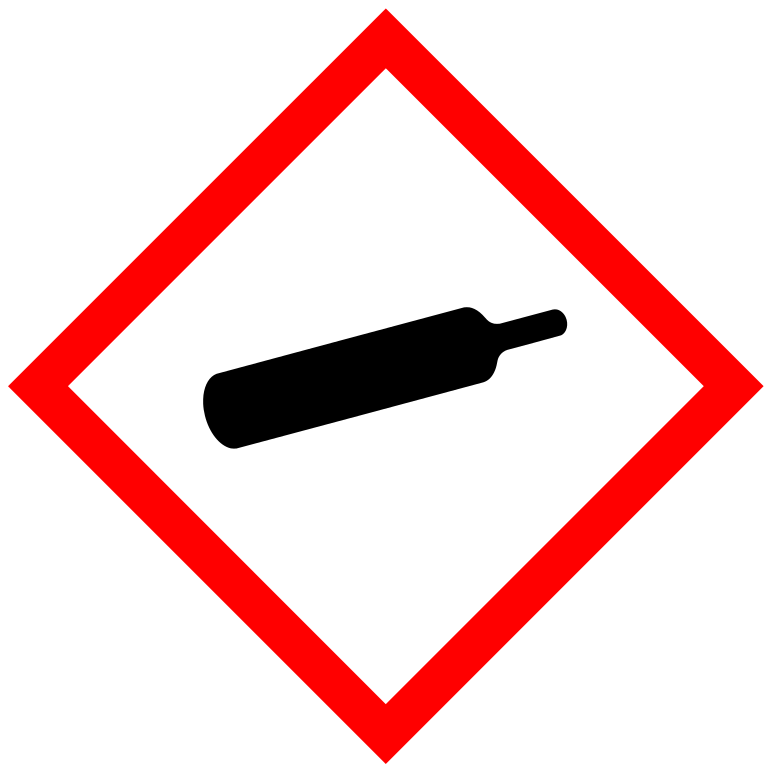
- Codice
- GHS04
- Simbolo
- Bombola per gas
- Pericolo
- Gas sotto pressione
- Avvertenza
- Attenzione
Cosa significa
The gas cylinder marks gases under pressure — compressed, liquefied, refrigerated liquefied or dissolved gases — which may explode if heated or, when refrigerated, cause cryogenic burns.
Classi di pericolo che lo attivano
La classificazione in una qualsiasi di queste categorie porta GHS04 in etichetta, secondo gli elementi dell’etichetta CLP. Una categoria senza avvertenza riporta solo il pittogramma.
| Categoria | H | Indicazione di pericolo | Avvertenza |
|---|---|---|---|
| Gas sotto pressione | |||
| Press. Gas (Comp.) | H280 | Contiene gas sotto pressione; può esplodere se riscaldato. | Attenzione |
| Press. Gas (Liq.) | H280 | Contiene gas sotto pressione; può esplodere se riscaldato. | Attenzione |
| Press. Gas (Ref. Liq.) | H281 | Contiene gas refrigerato; può provocare ustioni o lesioni criogeniche. | Attenzione |
| Press. Gas (Diss.) | H280 | Contiene gas sotto pressione; può esplodere se riscaldato. | Attenzione |
Su candele, cere profumate, diffusori a bastoncini e spray per ambienti
Aerosol air fresheners contain a propellant under pressure, yet they are classified in the separate aerosols hazard class rather than as gases under pressure, so an aerosol can carries GHS02 (when flammable) and not GHS04. Candles, wax melts and reed diffusers do not carry it.
Demo dell’etichetta dal vivo: Candele · Wax melts e snap bar · Diffusori a bastoncini
Regole di precedenza che riguardano questo pittogramma
-
Art. 26(1)(e)
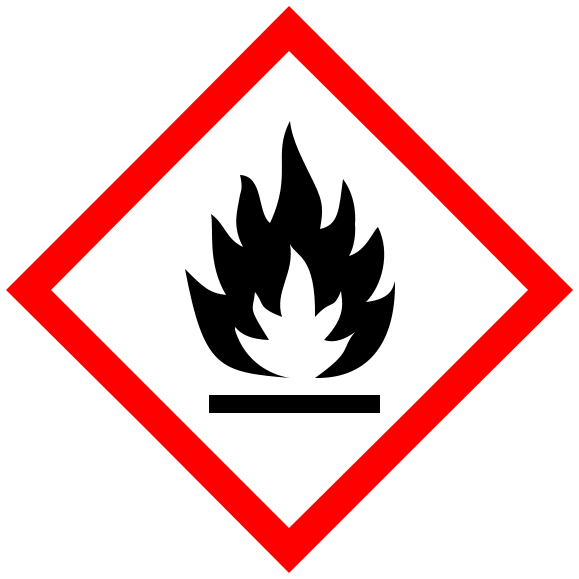
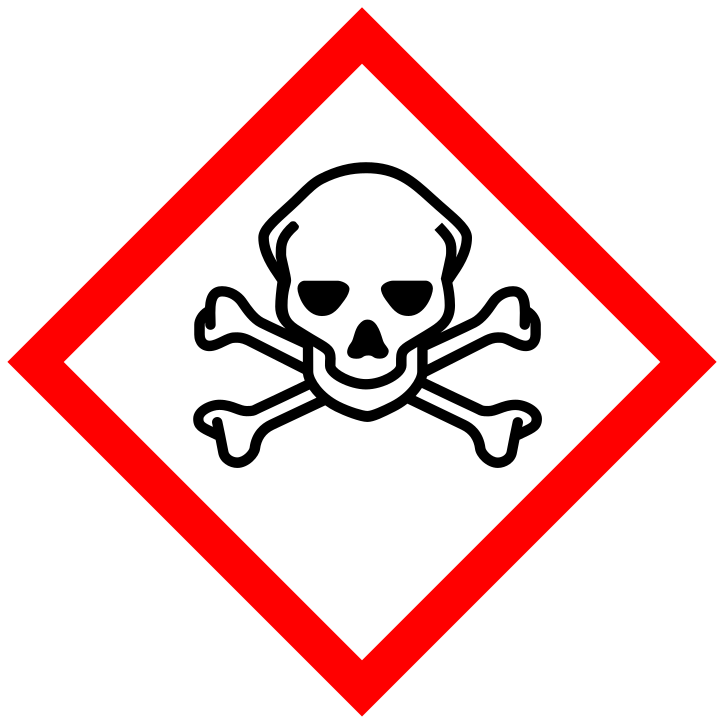
If the hazard pictogram ‘GHS02’ or ‘GHS06’ applies, the use of the hazard pictogram ‘GHS04’ shall be optional.
Riferimento generale, non consulenza legale: la tua etichetta dipende dalla classificazione del tuo prodotto.